
 Español
Car Accidents
Arizona T-Bone Car Accident Lawyer
Side-Impact Crashes Can Leave Little Room for Protection
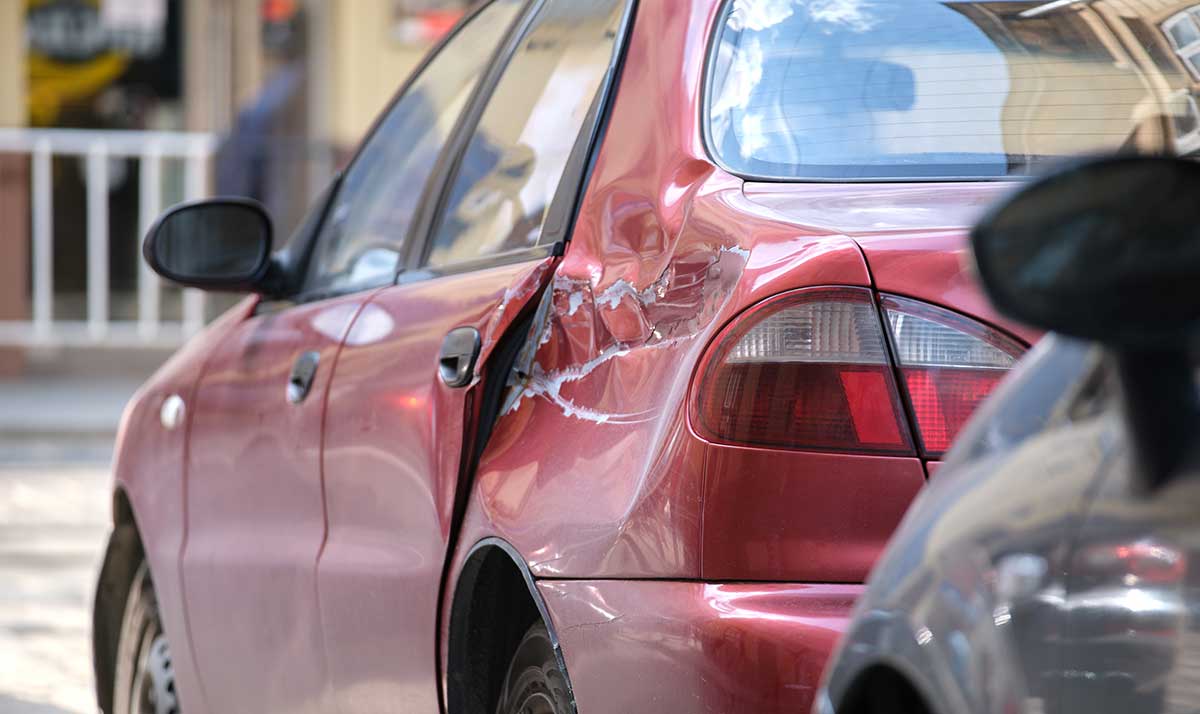
A T-bone crash happens when the front of one vehicle strikes the side of another. These incidents often occur at intersections, in parking lots, during left turns, or when a driver runs a red light or stop sign. Because the side of a vehicle offers less protection than the front or rear, even a moderate side-impact collision can cause serious injuries.
After a T-bone crash, the insurance company may try to simplify what happened. They may blame the driver who entered the intersection, question who had the right of way, or argue that the injuries are not connected to the crash. An Arizona T-bone car accident lawyer can help investigate the collision, preserve key evidence, and prepare a claim based on the facts.
Hit From the Side and Unsure Who Was at Fault?

What Causes T-Bone Collisions?
Many T-bone crashes happen because one driver enters a roadway or intersection when it is not safe to do so. That can happen quickly, especially when traffic signals, stop signs, turn lanes, or obstructed views are involved.
Common causes of T-bone collisions include drivers who run red lights, fail to stop at stop signs, make unsafe left turns, fail to yield, speed through intersections, drive distracted, or operate a vehicle while impaired. These crashes can also happen in parking lots when a driver backs out, crosses a travel lane, or turns without checking for approaching traffic.
The cause matters because it shapes the car accident claim. A driver who says they had the green light may still have been speeding. A driver who claims they stopped may have rolled through the sign. A driver who says you “came out of nowhere” may have been looking at a phone instead of the road.
Why Side-Impact Collisions Can Be So Serious
In a front-end or rear-end crash, the vehicle’s structure can absorb some force. In a T-bone collision, the impact is often much closer to the driver or passenger, with only the door, frame, and side airbags between the occupant and the striking car.
The risk can be higher when the striking vehicle is larger, taller, or moving faster. A pickup truck or SUV may hit above the lower door frame, increasing the risk of head and upper-body injuries.
This is why a T-bone crashes should not be treated as minor property damage. Medical records, witness statements, and symptom timing can help show how the collision affected vehicle occupants.

Injuries After a T-Bone Car Collision

Broken Bones
Fractures may require immobilization, surgery, physical therapy, or time away from work during recovery.
Internal Injuries
Internal bleeding or organ trauma may not be obvious right away and should be evaluated quickly after a serious crash.
Whiplash, Neck, and Back Injuries
Side impact collision can cause whiplash, neck injuries, and back injuries may cause pain, stiffness, reduced mobility, headaches, numbness, or radiating discomfort.

Brain Injuries and TBIs
A side-impact collision or sudden crash force can cause headaches, dizziness, memory problems, difficulty concentrating, or changes in balance.

Muscle Strain, Airbag Burns, and Seatbelt Injuries
Muscle strains, airbag burns, bruising, and seatbelt injuries may still require treatment, documentation, and time to heal.
Side-impact crashes can cause different injuries depending on the speed, angle, vehicle size, and where the person was seated. Some injuries are obvious right away. Others may become more noticeable hours or days later.
Who Is Responsible for a T-Bone Crash in Arizona?
Liability depends on what each driver did before the crash. In many T-bone collisions, the key question is who had the right of way. That answer may depend on traffic lights, stop signs, turn arrows, lane position, speed, and whether either driver was distracted or impaired.
The striking driver is not automatically at fault in every side-impact crash. One driver may hit the side of another vehicle because that vehicle ran a red light, turned across traffic, or pulled out from a stop sign too soon. In other cases, the driver who hit the side of the vehicle may be responsible because they failed to stop, failed to yield, or entered the intersection unsafely.
Arizona also allows fault to be divided between multiple parties. If the insurance company tries to place part of the blame on you, it can affect the compensation available in your claim. That makes early investigation important.
Compensation After a T-Bone Collision
Compensation in a T-bone accident claim may include medical bills, future medical care, lost wages, reduced earning ability, vehicle repairs, rental costs, pain and suffering, and other losses tied to the crash.
The value of a claim depends on the severity of the injuries, the available insurance coverage, the strength of the evidence, and how the crash affects the person’s life. A personal injury lawyer can help document those losses clearly so the insurance company is not only looking at the easiest bills to count.
Evidence That Can Help Prove a T-Bone Accident Claim
A strong claim is built from details. Vehicle positions, traffic signal timing, debris, and surveillance footage may help explain what happened.
Useful evidence may include the police report, crash scene photos, medical records, witness statements, and other proof showing how the collision happened and how it affected you. In serious cases, collision reconstruction may help show speed, direction of travel, and point of impact.
Insurance companies often move quickly after a crash. They may contact witnesses and ask for recorded statements before the injured person understands the full extent of the damage. A car accident lawyer can help protect your position and keep the claim focused on the facts.
How Torgenson Law Helps After a T-Bone Collision
Torgenson Law helps injured people understand what happened, what needs to be proven, and what steps may protect their claim. That work can include investigating the crash, preserving evidence, identifying liable parties, communicating with insurance companies, reviewing medical records, and preparing the case for settlement or trial.
A T-bone crash can leave you dealing with pain, transportation issues, missed work, and insurance pressure at the same time. Legal representation can help you make informed decisions, avoid common claim mistakes, and pursue fair compensation based on the circumstances of the crash.
Frequently Asked Questions
A T-bone collision is a side-impact crash where the front of one vehicle hits the side of another. These crashes often happen at intersections, during turns, or when a driver fails to yield.
In Arizona, the deadline for most personal injury claims is two years from the date of the crash. Some cases may have shorter deadlines, so it is better not to wait. Reviewing your claim early can help protect evidence and avoid missed deadlines.
Yes. Some injuries may not fully show up right after the crash, including concussions, internal injuries, nerve damage, soft tissue injuries, and spinal issues. If something feels wrong, getting medical care early can protect your health and help document what happened.
Start with your safety and medical care. Report the crash, take photos if you can, gather witness information, and avoid guessing about fault. Before giving a recorded statement to insurance, it may help to speak with a car accident lawyer.
Fault depends on who had the right of way and how the crash happened. A driver may be responsible for running a red light, ignoring a stop sign, making an unsafe turn, speeding, or failing to yield. Evidence can help show what really happened.
Get Straight Answers Now – Free Consultation
When you are hurt, you need lawyers who will have your back every single step of the way.
Talk to a Lawyer Now
Recognized. Respected. Relentless.









Reviewed by John Torgenson, Managing Partner and Arizona personal injury attorney, practicing since 2004. View credentials.