
 Español
Car Accidents
Arizona Tailgating Car Accident Lawyer
Following Too Closely Can Leave Little Room for Error
Tailgating accidents often occur when drivers follow another vehicle too closely to react safely to changing traffic conditions. When the distance between vehicles becomes too short, even minor changes in traffic flow may leave little time or space to avoid a collision.
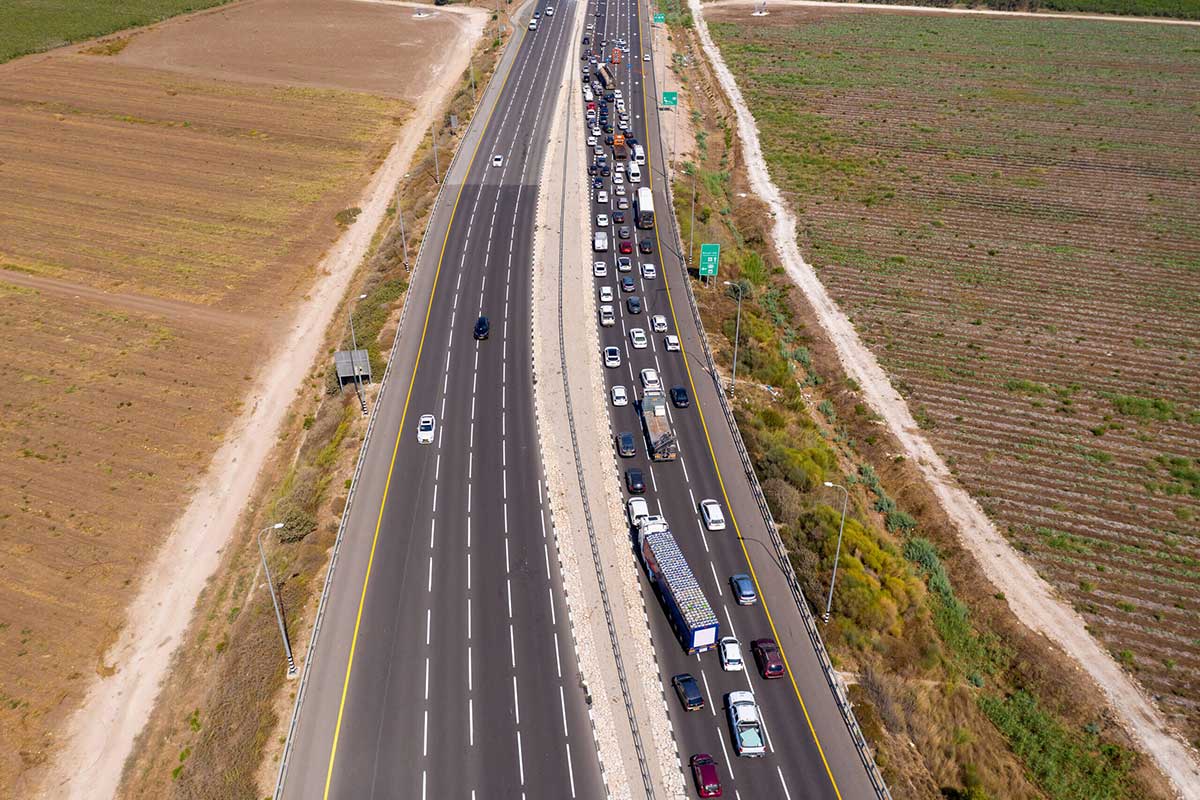
Many tailgating accidents occur in ordinary driving situations. Traffic slows unexpectedly, a driver brakes for a hazard, or congestion causes vehicles to stop and start repeatedly. Under those circumstances, maintaining a safe following distance may become critical.
If you were injured in a collision involving a driver who was following too closely, a car accident lawyer may help evaluate the circumstances of the accident and explain the legal options available moving forward.
When the Distance Is Short, the Options Are Few

Common Causes of Tailgating Accidents
Tailgating accidents may occur for a variety of reasons. While every situation is different, certain driving behaviors and traffic conditions are commonly associated with following another vehicle too closely.
Aggressive Driving
Drivers who are frustrated, impatient, or attempting to move through traffic more quickly may intentionally follow another vehicle too closely. Aggressive driving behaviors can reduce the time available to react and increase the likelihood of a collision.
Traffic Congestion
Heavy traffic often reduces the space between vehicles. When traffic suddenly slows or stops, drivers who are following too closely may have difficulty avoiding a collision.
Inattention and Negligence
Drivers who are distracted or not paying sufficient attention to surrounding traffic conditions may fail to recognize that they are following another vehicle too closely.
Speeding
Higher speeds increase stopping distances and reduce the amount of time available to react to changing traffic conditions. When speeding and tailgating occur together, the risk of a collision may increase significantly.
Tailgating and Liability in Arizona
Tailgating may become an important consideration when responsibility for an accident is evaluated.
Arizona law requires drivers to maintain a distance that is reasonable and prudent under the circumstances. Arizona Revised Statute § 28-730 prohibits drivers from following another vehicle more closely than is reasonable and prudent, taking into account factors such as speed, traffic conditions, and roadway conditions.
When a collision occurs, the available evidence may help clarify whether the following distance was appropriate under the circumstances and what role, if any, it played in causing the accident.
Common Injuries Associated With Tailgating Accidents

Broken Bones
Fractures may require immobilization, surgery, physical therapy, or time away from work during recovery.

Internal Injuries
Internal bleeding or organ trauma may not be obvious right away and should be evaluated quickly after a serious crash.

Whiplash, Neck, and Back Injuries
Impact collision can cause whiplash, neck injuries, and back injuries may cause pain, stiffness, reduced mobility, headaches, numbness, or radiating discomfort.

Brain Injuries and TBIs
A crash can cause headaches, dizziness, memory problems, difficulty concentrating, or changes in balance.

Muscle Strain, Airbag Burns, and Seatbelt Injuries
Muscle strains, airbag burns, bruising, and seatbelt injuries may still require treatment, documentation, and time to heal.
Tailgating accidents may result in a wide range of injuries depending on factors such as vehicle speed, impact forces, and the circumstances surrounding the collision.
How Torgenson Law Helps After a Tailgating Accident
Tailgating accidents often raise questions regarding how the collision occurred, whether a safe following distance was maintained, and what evidence may help clarify the circumstances surrounding the accident.
Evaluating photographs, witness statements, video footage, police reports, and other available information may help create a clearer understanding of what occurred and the options available moving forward.
Whether you are searching for a personal injury attorney, a car accident lawyer in Phoenix, or legal guidance following a serious collision, Torgenson Law is committed to providing practical advice, responsive communication, and dedicated representation for injured clients and their families.
Frequently Asked Questions
Tailgating generally refers to following another vehicle more closely than is reasonable and prudent under the circumstances. Factors such as speed, traffic conditions, and roadway conditions may affect what constitutes a safe following distance.
Following too closely reduces the time and distance available to react to changing traffic conditions. As a result, drivers may have less opportunity to avoid a collision when traffic slows or stops unexpectedly.
Arizona law prohibits drivers from following another vehicle more closely than is reasonable and prudent under the circumstances. The applicable requirements are set forth in Arizona Revised Statute § 28-730.
Evidence may include photographs, witness statements, dashcam footage, surveillance video, police reports, vehicle damage patterns, and other information that may help clarify how the accident occurred.
Common injuries may include traumatic brain injuries, spinal injuries, broken bones, internal injuries, whiplash, and other soft tissue injuries.
Get Straight Answers Now – Free Consultation
When you are hurt, you need lawyers who will have your back every single step of the way.
Talk to a Lawyer Now
Recognized. Respected. Relentless.









Reviewed by John Torgenson, Managing Partner and Arizona personal injury attorney, practicing since 2004. View credentials.