
 Español
Car Accidents
Tire Blowout Accident Lawyer in Phoenix
How Tire Failures Can Cause Serious Crashes
In Phoenix, highway speeds, extreme heat, and heavy traffic can put added strain on tires. A tire blowout is a sudden loss of air pressure that can cause a driver to lose control of the vehicle. A tire defect, on the other hand, is a flaw in the tire’s design or manufacturing that weakens the tire and makes a blowout or failure more likely.
In either situation, the danger often comes from how quickly the vehicle changes direction. A driver may swerve into another lane, lose control on the freeway, strike a barrier, or cause nearby vehicles to react suddenly. These crashes can be especially severe on I-10, Loop 202, U.S. Highway 60, and other high-speed roads across the Phoenix area.
A Phoenix tire blowout accident lawyer can help determine whether the crash involved driver negligence, poor maintenance, an overloaded vehicle, or a defective tire. These cases may require review of the tire, vehicle records, crash scene evidence, and any maintenance or inspection history.
Tire Failures Often Have Warning Signs

Common Types of Tire Blowout Crashes
Alcohol, drugs, and some prescription medications can lead to serious crashes.
Loss of vehicle control: A blown tire can pull the vehicle sharply to one side, causing it to leave its lane, hit another car, or run off the road.
Increased stopping distance: A failed tire may make the vehicle harder to slow or stop, leading to rear-end collisions in traffic or construction zones.
Rollover accidents: SUVs, trucks, and other higher-profile vehicles may be more vulnerable to rollovers after a sudden tire failure.
Multi-vehicle crashes: When a driver loses control after a blowout, nearby drivers may have little time to respond, triggering a chain reaction.
A tire blowout accident lawyer can help investigate whether the crash involved poor maintenance, road hazards, or another preventable issue.
Common Causes of Tire Blowouts and Defects
Tire blowouts and defects may involve poor maintenance, age, or Arizona heat.
Manufacturing defects: Poor tread bonding or design defects can cause a tire to fail before its expected lifespan.
Tread separation: Tread separation happens when the tire’s outer layer pulls away, causing instability at highway speeds.
Underinflation or overinflation: Improper tire pressure can cause overheating, impact damage, or sudden failure.
Worn or aged tires: Tires break down over time, and Phoenix heat can make old or worn tires more likely to fail.
Improper installation or repair: A tire shop or repair facility may contribute through improper installation, balancing, repair, or wheel fit.
Road hazards and potholes: Potholes, debris, construction hazards, and damaged pavement can weaken or rupture a tire.
Common Injuries in Tire Blowout Accidents

Broken Bones
Fractures may require immobilization, surgery, physical therapy, or time away from work during recovery.

Internal Injuries
Internal bleeding or organ trauma may not be obvious right away and should be evaluated quickly after a serious crash.

Whiplash, Neck, and Back Injuries
Impact collision can cause whiplash, neck injuries, and back injuries may cause pain, stiffness, reduced mobility, headaches, numbness, or radiating discomfort.

Brain Injuries and TBIs
A crash can cause headaches, dizziness, memory problems, difficulty concentrating, or changes in balance.

Muscle Strain, Airbag Burns, and Seatbelt Injuries
Muscle strains, airbag burns, bruising, and seatbelt injuries may still require treatment, documentation, and time to heal.
Tire blowout crashes can cause sudden swerving, rollovers, freeway impacts, or multi-vehicle collisions, often with severe injuries because there is little warning.
Who May Be Held Liable for a Tire Blowout Accident?
Liability depends on why the tire failed and whether the failure should have been prevented. Since Arizona follows comparative negligence, more than one party may share fault.
Tire manufacturers: A manufacturer may be responsible if a design, material, or manufacturing defect caused the failure.
Vehicle owners and drivers: A driver or owner may be responsible if they ignored tire pressure, warning signs, or maintenance.
Mechanics and tire shops: A mechanic or repair shop may be responsible if poor installation, unsafe repair, or failure to warn contributed.
Retailers and distributors: A retailer or distributor may be responsible for selling a recalled, defective, mismatched, or aged tire.
Government entities: If road hazards or poor road maintenance contributed, a government entity may be investigated.
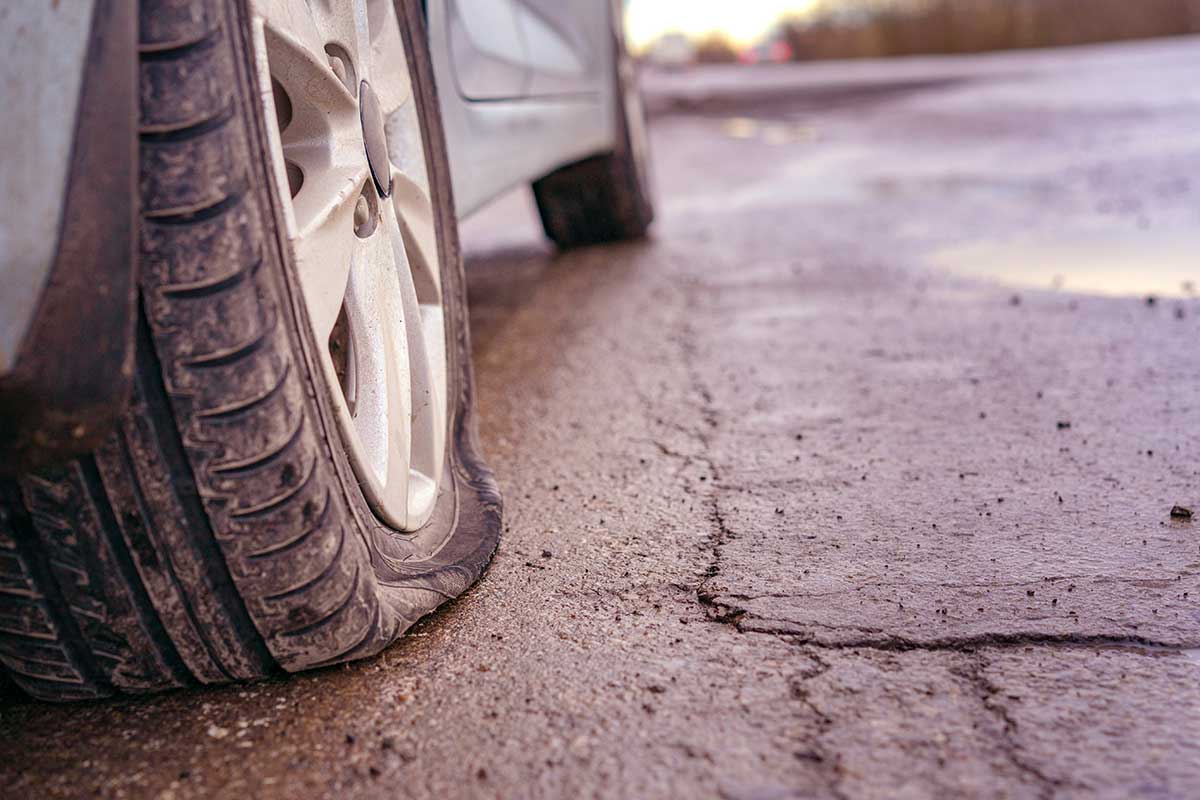
Damages in a Tire Blowout Accident Claim
Compensation may include economic damages such as medical bills, future care, lost income, reduced earning ability, and property damage. It may also include non-economic damages for the physical pain, emotional distress, scarring, and reduced quality of life that follow a serious tire blowout accident.
Punitive damages may be available in limited cases involving extreme recklessness or intentional misconduct, such as knowingly selling a dangerous tire or ignoring a serious safety risk. A car accident lawyer can help evaluate available damages based on the facts of the tire blowout claim.
A tire blowout accident lawyer can help document these losses, identify all responsible parties, and pursue compensation through an insurance claim or lawsuit.
Legal Help from Someone Who Knows the Road Ahead
Tire blowout accidents can be difficult to prove because the most important evidence may be the tire itself. The investigation may need to preserve the tire, inspect the vehicle, review maintenance records, check for recalls, and determine whether a defective product, unsafe repair, or road hazard contributed to the crash.
At Torgenson Law, it’s personal. We help injured people in Phoenix and communities throughout Arizona after serious car accidents. Our personal injury attorneys can investigate the accident, preserve key evidence, identify liable parties, and handle communication with insurers while you focus on your recovery.

Frequently Asked Questions
Tire blowouts may be caused by manufacturing defects, tread separation, improper tire pressure, worn or aged tires, poor installation, unsafe repairs, potholes, debris, or other road hazards.
Liability may fall on a tire manufacturer, driver, vehicle owner, mechanic, tire shop, retailer, distributor, or government entity depending on what caused the tire to fail.
Helpful evidence may include the damaged tire, vehicle inspection results, maintenance records, repair history, recall information, crash photos, witness statements, road-condition evidence, and expert analysis
Yes. Extreme heat can increase tire stress and accelerate wear, especially when tires are old, underinflated, overloaded, or poorly maintained.
Under Arizona’s comparative negligence system, compensation may be reduced if you share fault. Evidence about tire condition, maintenance, road hazards, repairs, and product defects can help clarify responsibility.
Get Straight Answers Now – Free Consultation
When you are hurt, you need lawyers who will have your back every single step of the way.
Talk to a Lawyer Now
Recognized. Respected. Relentless.










Reviewed by John Torgenson, Managing Partner and Arizona personal injury attorney, practicing since 2004. View credentials.