
 Español
Specialized Practice Areas
Construction Accident Lawyers in Arizona
Construction Accidents Can Involve More Than One Safety Failure
Construction sites are active, changing environments where workers, contractors, drivers, pedestrians, and nearby property owners may all be affected by unsafe conditions.
A construction accident may involve a fall, falling object, heavy equipment, exposed wiring, hazardous materials, an excavation, a roof, a demolition project, or a highway work zone.
The cause is not always obvious right away. A serious injury may begin with a missing guardrail, poor supervision, unsafe equipment, weak traffic control, a rushed schedule, or a safety rule that was not followed.
A construction accident lawyer can help investigate what happened, preserve evidence, identify who may be responsible, and determine whether negligence contributed to the injury.
Construction Accident Claims Often Depend on Site Details

How Construction Accidents Happen
Construction accidents often happen when safety decisions fail to match the risks on the site. Falls from ladders, scaffolding, roofs, open edges, or unfinished surfaces can cause serious harm, especially when fall protection is missing or used incorrectly.
Other accidents may involve falling tools or materials, crane or forklift incidents, power tool injuries, exposed wiring, electrocution, hazardous substances, vehicle strikes, or unsafe walkways. On busy sites, one missed inspection or unclear instruction can affect several workers or visitors at once.
When an injury happens, medical care should come first, even if the injury seems manageable at the scene. If possible, it can also help to report the accident and preserve details about the companies, equipment, and work being performed at the time.
Highway Construction Zone Accidents
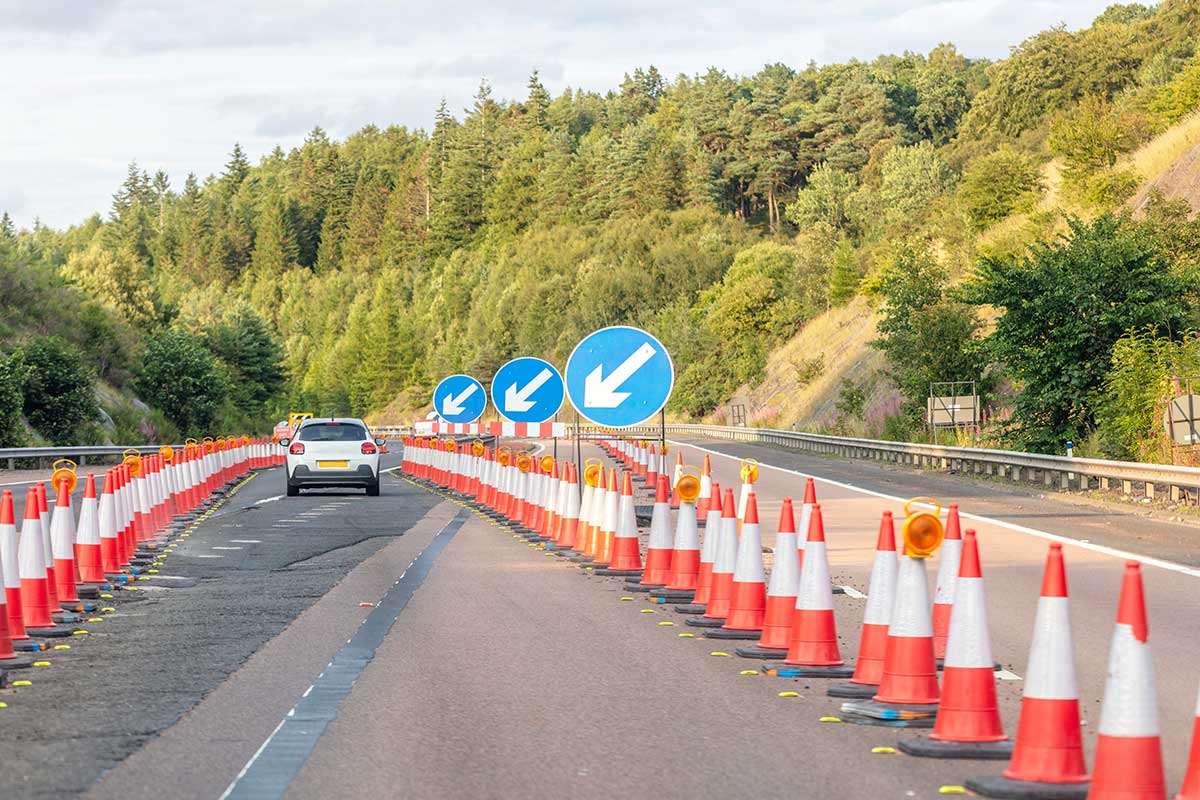
Highway construction zones create risks for workers, drivers, pedestrians, bicyclists, and nearby traffic. Lane shifts, cones, temporary signs, reduced speed limits, construction vehicles, debris, and sudden changes in traffic flow can make the area harder to navigate.
When a crash happens in a work zone, the claim may require looking beyond driver conduct. The way the area was marked, lit, organized, and managed can help show whether drivers and workers were given a reasonable chance to move through the zone safely.
Roofing and Height-Related Accidents
Roofing work creates a high risk of falls because workers may be exposed to steep surfaces, open edges, ladders, scaffolding, skylights, and changing weather.
A fall from a roof can cause catastrophic injuries even when the distance does not seem extreme.
These claims may require reviewing fall protection, training, supervision, harness use, roof condition, and whether workers were given the equipment needed to do the job safely.
Excavation and Trenching Accidents
Excavation work can become dangerous when trenches, sidewalls, or surrounding ground are not properly inspected, supported, or protected.
A collapse or cave-in can bury a worker quickly, while exposed utilities, toxic gases, flooding, falling objects, and heavy equipment can create additional risks.
These claims may require reviewing soil conditions, utility markings, inspections, water exposure, equipment placement, and whether workers had a safe way to enter and exit the excavation.
Demolition Accidents
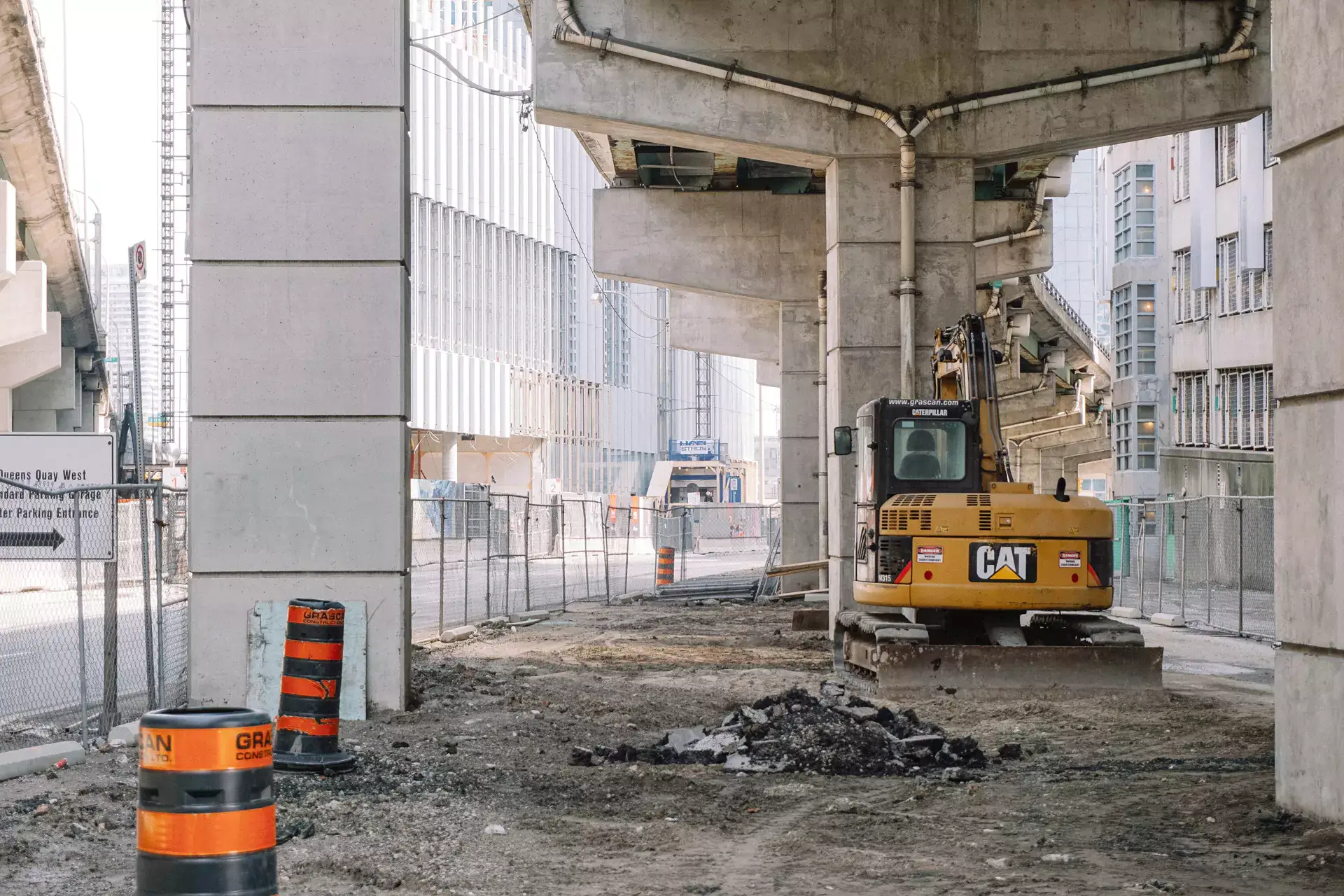
Demolition work can involve unstable structures, falling debris, heavy equipment, explosives, and changing site conditions. When planning, bracing, overhead protection, or communication fails, workers and people nearby can be seriously injured.
These claims may require reviewing demolition plans, safety procedures, bracing and shoring, equipment use, protective gear, and whether the work was supervised in a way that matched the danger of the project.
Common Injuries in Construction Accidents

Brain Injuries and TBIs
Falls, falling objects, or equipment impacts can affect memory, mood, and focus.

Broken Bones
Falls, vehicle strikes, and equipment incidents can cause fractures and long recovery.

Spinal Cord Injuries
A serious impact can damage the spine and cause lasting mobility changes.

Burns and Electrocution Injuries
Exposed wiring, fire, chemicals, or electrical contact can cause severe harm.

Crush Injuries
Heavy equipment, trench collapses, or falling materials can trap or crush the body.

Internal Bleeding
Internal bleeding may not be visible right away but can become life-threatening quickly.
These injuries can affect treatment, work, mobility, and daily life. A construction accident lawyer can help document their full impact.
What Evidence Matters in a Construction Accident Claim?
Evidence may come from the site itself, the people who saw what happened, and the records created before and after the injury. Witness accounts, incident reports, safety plans, inspection records, maintenance logs, equipment condition, and medical records can help explain what happened.
The most important details often show who controlled the unsafe condition and whether the danger should have been addressed sooner. Site conditions can change quickly, so preserving evidence early may matter.
Who May Be Held Responsible for a Construction Accident?
Workers’ compensation may cover some job-related injuries, but construction accidents can also involve third-party claims.
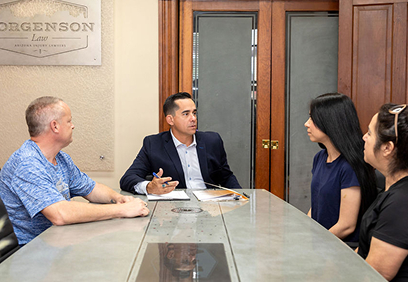
Responsibility depends on who controlled the worksite, equipment, supervision, safety planning, or hazardous condition. Depending on the facts, liability may involve a general contractor, subcontractor, property owner, developer, equipment operator, maintenance company, manufacturer, driver, or another party connected to the site.
A claim may require understanding who created the hazard, who had authority to fix it, who knew about the danger, and whether safety procedures were followed. Because construction sites often involve several companies working at once, early investigation can be important.
How Torgenson Law Can Help After a Construction Accident
After a construction accident, important evidence can disappear quickly. Equipment may be moved, hazards may be repaired, debris may be cleared, and contractors or insurers may begin shaping the claim before the full picture is clear.
At Torgenson Law, it’s personal. Our Arizona personal injury lawyers can gather available evidence, identify responsible parties, review insurance and third-party liability issues, and communicate with insurers. If the accident caused serious injuries or fatal loss, our team can also evaluate the long-term impact on you and your family.
Frequently Asked Questions
Construction accidents often involve unsafe site conditions, falling objects, heavy equipment, poor supervision, inadequate training, demolition hazards, excavation hazards, roofing risks, or unsafe traffic control in work zones.
Liability depends on who controlled the worksite, equipment, safety decisions, or hazard that caused the injury. A claim may involve a contractor, subcontractor, property owner, developer, equipment operator, manufacturer, driver, or another responsible party.
Workers’ compensation may apply after a job-related injury, but it may not be the only possible source of recovery. If a third party contributed to the accident, a separate claim may also be available depending on the facts.
Evidence may include photos, witness statements, incident reports, inspection logs, training materials, contracts, maintenance records, medical records, and information about who controlled the site or hazard.
Construction accidents may cause brain injuries, broken bones, spinal cord injuries, burns, electrocution injuries, crush injuries, amputations, internal injuries, scarring, disfigurement, paralysis, or wrongful death.
Get Straight Answers Now – Free Consultation
When you are hurt, you need lawyers who will have your back every single step of the way.
Talk to a Lawyer Now
Recognized. Respected. Relentless.









Reviewed by John Torgenson, Managing Partner and Arizona personal injury attorney, practicing since 2004. View credentials.