Español
ATV Accident Laws in Arizona: What Riders Need to Know
June 8, 2026 • by John Torgenson
Article Summary
- ATV accident laws in Arizona can directly affect safety, liability, and the outcome of an injury claim after a crash.
- Common violations such as speeding, riding under the influence, or ignoring trail restrictions are often linked to serious ATV accident injuries.
- A personal injury attorney can help you understand how Arizona’s comparative negligence laws affect fault assignment and compensation after an ATV accident.
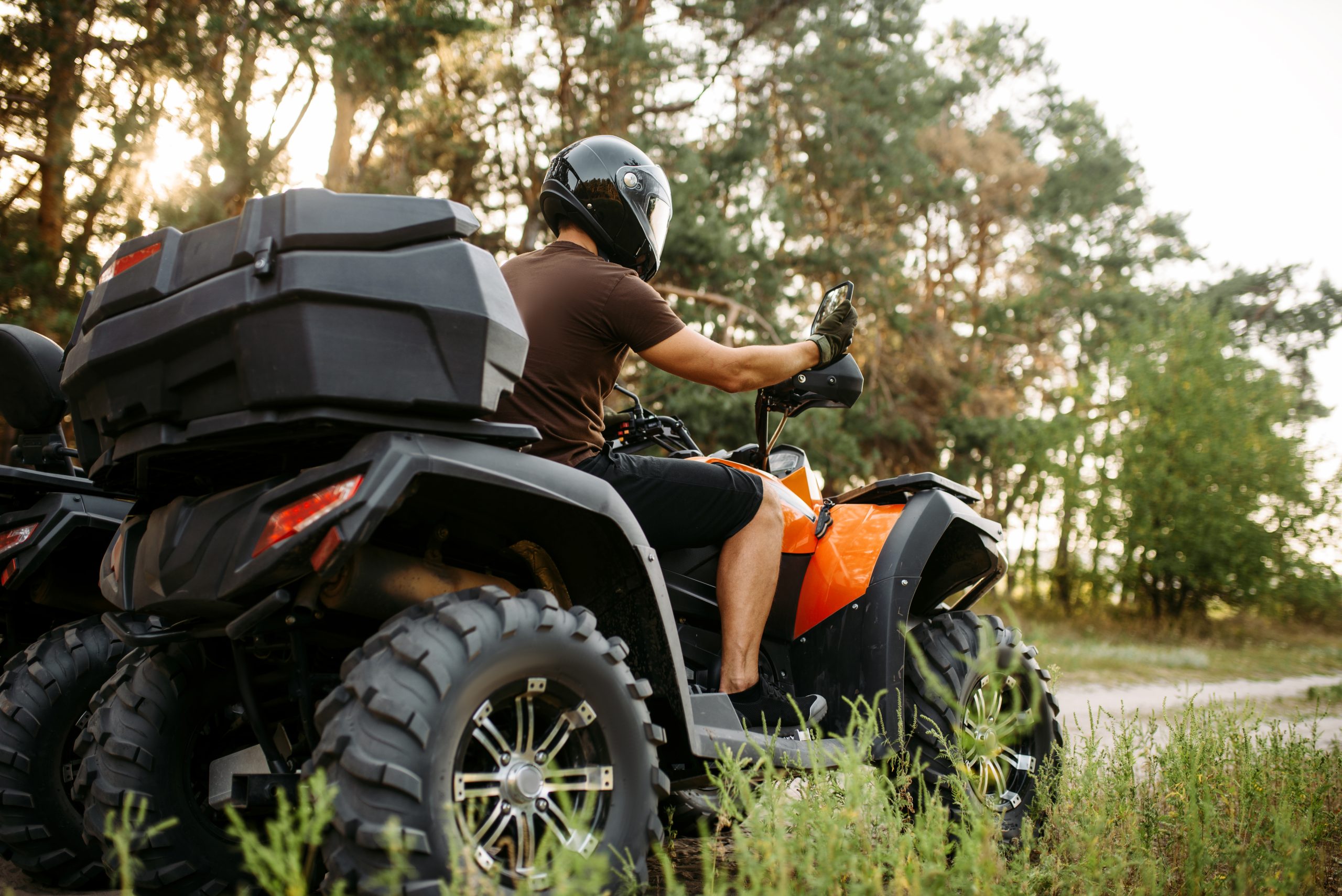
ATV riding is popular across Arizona, especially during the summer months when riders in dust-covered helmets gather across Arizona’s desert trails and off-road areas. Although these vehicles are designed for recreation and fun, ATV accidents in Arizona often involve serious injuries and disputes over fault and liability.
Many riders and passengers don’t realize that ATV laws do more than regulate riding behavior. They often shape the outcome of injury claims after a crash.
Understanding these laws is critical because even seemingly minor violations may affect the allocation of fault, insurance decisions, and the value of an injury claim after an ATV accident.
Why ATV Laws Matter More Than Riders Think
Arizona’s ATV laws are designed around common accident patterns seen in off-road crashes. These rules help reduce collisions, improve visibility, and create safer conditions in shared riding environments.
Violations of these laws may also become important in personal injury claims. In some cases, failing to follow trail rules, operating without proper safety equipment, or riding under the influence can be used as evidence of negligence after an accident.
Because Arizona follows a comparative negligence system, fault may be divided between multiple parties involved in a crash. This means ATV accident laws in Arizona can affect not only safety, but also how liability and damages are evaluated after an accident.
Important ATV Laws Riders Should Know in Arizona
Arizona has specific ATV laws and off-road regulations designed to improve trail safety and reduce the number of people injured in ATV accidents.
Helmet Requirements
Arizona law requires riders and passengers under 18 to wear helmets when operating ATVs on public lands.
Helmet use can significantly reduce the severity of ATV accident injuries, particularly head trauma and brain injuries. In some cases, failure to wear a helmet may also become a factor when insurance companies evaluate fault and damages after a crash.
Designated Trail Use
ATVs must generally be operated on approved trails and designated off-road areas.
Riding off-trail may increase the risk of collisions, unstable terrain accidents, and environmental hazards. It may also become a factor in insurance claims and liability disputes after an accident.
Speed Regulations
Many off-road areas include posted speed limits or speed restrictions based on terrain and visibility conditions.
Excessive speed remains one of the leading causes of ATV accidents in Arizona, especially rollover and loss-of-control crashes.
Right-of-Way Rules
ATV riders are expected to follow trail right-of-way rules and yield appropriately to larger vehicles or approaching riders in narrow areas.
Misunderstanding or ignoring these rules is a common factor in trail collisions and multi-vehicle ATV accidents.
Night Riding Requirements
Arizona law requires functional headlights and taillights when riding at night.
Reduced visibility can significantly increase accident risk, particularly in remote desert or off-road areas with limited lighting.
Common ATV Law Violations and Legal Mistakes
Several common mistakes can increase both accident risk and potential liability after a crash.
These include:
- riding ATVs on paved roads not designed for off-road vehicles
- carrying passengers on single-rider ATVs
- operating without proper helmets or safety gear
- ignoring local ordinances or trail-specific restrictions
- riding under the influence of alcohol or drugs
These actions do not automatically prevent someone from recovering compensation after an ATV accident. However, they may influence how fault is assigned and how insurance companies evaluate a claim. An experienced personal injury lawyer can help determine how Arizona’s comparative negligence laws may affect an ATV accident claim.
How ATV Laws Impact Injury Claims
Arizona follows a pure comparative negligence system, meaning fault may be shared between multiple parties involved in an ATV accident.
For example, an injured rider, passenger, or third party may still recover compensation even if they were partially responsible for the crash. However, damages are generally reduced according to each party’s percentage of fault.
Because of this, violations of ATV accident laws in Arizona may quietly shape nearly every stage of an injury claim, from insurance decisions and settlement value to the final allocation of liability after a crash.
An experienced Arizona off-roading accident lawyer can help investigate the accident, preserve evidence, and identify whether another rider, property owner, manufacturer, or other party may share responsibility.
What to Do After an ATV Accident
If you are injured in an ATV accident, seeking medical attention immediately is one of the most important steps you can take. Many ATV accident injuries involve head trauma, fractures, spinal injuries, or internal injuries that may worsen over time.
You should also:
- report the accident to authorities or park officials
- document the scene with photos or videos
- gather witness information if possible
- avoid admitting fault before the facts are fully understood
Whether you were injured in an ATV accident or harmed by a negligent rider, taking action early can protect your legal rights.
Torgenson Law helps Arizona riders and families pursue compensation after serious ATV crashes.
Contact Torgenson Law today for a free consultation with a Phoenix personal injury lawyer.

John Torgenson
John Torgenson is a highly experienced personal injury lawyer with over 20 years of practice in Arizona. He earned his Bachelor’s degree from the University of Utah and his Juris Doctor from Notre Dame….
Learn More About John