Interstate 17 is one of Arizona’s most important highways, connecting Phoenix with Flagstaff and communities throughout Northern Arizona. The route carries commuters, weekend travelers, tourists, recreational vehicles, and commercial trucks through terrain that changes dramatically as drivers travel north, making I-17 one of the more challenging and potentially dangerous roads in Arizona.
Those conditions can also make an Interstate 17 car accident particularly serious. High speeds, steep grades, mountain curves, congestion, and rapidly changing weather can leave drivers with little time to react when traffic suddenly slows or another vehicle loses control.
The section of I-17 north of Phoenix has historically experienced particularly heavy weekend and holiday traffic. Drivers heading toward Flagstaff and other Northern Arizona destinations share the interstate with traffic connecting to Prescott through SR 69, commercial trucks, and recreational vehicles.
Although ADOT recently completed major improvements between Anthem Way and Sunset Point, mountain grades, construction projects, and lane restrictions can still create sudden slowdowns and significant differences in vehicle speeds.
Several factors can make driving conditions on Interstate 17 more demanding than on flatter urban freeways.
Weekend travel between Phoenix, Flagstaff, and recreational areas to the north can create substantial congestion, especially as large numbers of vehicles return toward the Valley at the same time.
Steep grades, curves, and limited sight distance can make it harder to respond to changing traffic conditions. Long downhill stretches may also place additional strain on brakes, particularly for heavily loaded vehicles.
Freight moving between Phoenix and Northern Arizona regularly uses I-17, and large trucks require more time and distance to slow or stop. When a commercial truck accident occurs on I-17, the size and weight of the vehicle can also increase the severity of the resulting injuries.
Weather conditions can change quickly as elevation increases. Drivers may encounter monsoon rain, high winds, fog, flash flooding, or snow and ice closer to Flagstaff, sometimes during the same trip.
Many I-17 incidents involve the same unsafe driving behaviors seen elsewhere in Arizona, but highway speeds and mountain conditions can make the consequences more severe.
Speeding, following too closely, unsafe lane changes, and distracted driving can become especially dangerous when traffic suddenly slows around a curve or grade. Driver fatigue can also be a concern on longer trips between Phoenix and Northern Arizona.
Other crashes may involve impaired driving, tire blowouts, or mechanical failures. On steep downhill stretches, brake problems or poor vehicle maintenance can become particularly dangerous.
Understanding how the collision happened is important because fault after an Arizona car accident may affect the compensation available through a personal injury claim.
An I-17 crash can cause injuries ranging from relatively mild soft tissue damage to life-changing trauma.
Whiplash, neck injuries, back injuries, and broken bones are common after motor vehicle collisions. More serious crashes may cause traumatic brain injuries, spinal cord injuries, internal injuries, or other catastrophic harm.
Some symptoms may not become obvious immediately after the collision. Headaches, back pain, stiffness, dizziness, or other problems can develop later, making medical care after a car accident important both for protecting your health and documenting the injury.

The first priority after an I-17 crash is safety. Call 911 and request medical assistance when needed. If the vehicles can be moved safely and doing so is appropriate, getting away from active traffic can help reduce the risk of a secondary collision.
When your condition allows, document the scene with photographs or video. Capture vehicle damage, road conditions, debris, skid marks, traffic signs, and any other details that may help explain what happened. Exchange contact and insurance information with the other drivers and obtain witness information when possible.
Avoid arguing about fault at the scene or making assumptions about the extent of your injuries. You should also use caution before providing a recorded statement to an insurance company, particularly when responsibility for the crash or the seriousness of your injuries is disputed.
If you were injured in an accident on I-17, preserving this information early can make it easier to establish what happened later. An Arizona car accident lawyer can also help gather evidence, communicate with insurers, and protect your claim as the case develops.
The compensation available after an Arizona interstate incident depends on the circumstances of the crash and the losses it caused.
An Arizona personal injury claim may include medical bills, future medical treatment, lost wages, reduced earning capacity, pain and suffering, and property damage. Serious injuries requiring surgery, rehabilitation, or long-term care may significantly increase the financial impact of the collision.
When someone dies because of the crash, eligible surviving family members may also be able to pursue wrongful death damages.
The specific value of a claim depends on the injuries, available evidence, insurance coverage, fault, and other circumstances surrounding the incident.
Interstate 17 is one of Arizona’s most important highways, connecting Phoenix with Flagstaff and communities throughout Northern Arizona. The route carries commuters, weekend travelers, tourists, recreational vehicles, and commercial trucks through terrain that changes dramatically as drivers travel north. When a serious crash occurs along the corridor, a Phoenix car accident attorney may help injured drivers understand their options and protect their claims.
Torgenson Law’s Arizona car accident attorneys can investigate the collision, preserve evidence, identify available insurance coverage, and communicate with the insurance companies on your behalf. If a fair resolution cannot be reached, our team can pursue the claim through litigation when necessary.
There are no upfront attorney fees, and the initial consultation is free. You can learn more about our Arizona car accident practice or contact our experienced legal team to discuss your case.
A: Call 911, seek medical attention, move to a safer location if possible, and document the crash scene when your condition allows. Avoid discussing fault and consider speaking with a Phoenix car accident attorney or Flagstaff car accident lawyer before giving a recorded statement to an insurer.
A: Heavy traffic, high speeds, steep mountain grades, sharp curves, commercial truck traffic, sudden congestion, and changing weather can all contribute to difficult driving conditions along I-17.
A: Arizona generally gives injured people two years from the date of the accident to file a personal injury lawsuit. Shorter deadlines can apply in some cases, especially when a government entity is involved, so it is important to confirm the deadline that applies to your claim.
A: Not every collision requires legal representation, but an attorney may be especially helpful when injuries are serious, fault is disputed, multiple vehicles are involved, or an insurance company is challenging your claim.
A: Depending on the circumstances, compensation may include medical expenses, lost income, future treatment, reduced earning capacity, pain and suffering, and property damage.
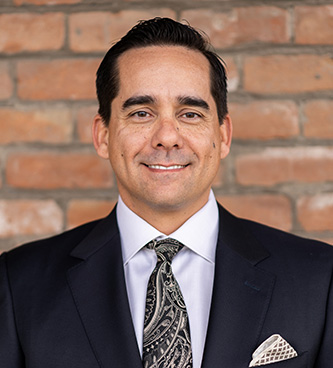
John Torgenson is a highly experienced personal injury lawyer with over 20 years of practice in Arizona. He earned his Bachelor’s degree from the University of Utah and his Juris Doctor from Notre Dame. John has a proven track record of securing substantial verdicts and settlements, including an $8.25 million recovery for a gunshot injury victim. His expertise has earned him AVVO ratings and recognition as a Super Lawyer.
John is also a sought-after lecturer on personal injury law, sharing his extensive knowledge with peers and aspiring attorneys. Beyond his legal practice, John is an avid golfer and actively supports organizations like the Military Assistance Mission, Arizona School for the Arts, Page Balloon Regatta, University of Arizona Foundation, Junior Achievement of Arizona, and the Tim Huff Pro Bono Golf Classic.
Passionate about advocating for injury victims, John dedicates his career to battling insurance companies and corporate interests, ensuring that the rights of those who are hurt are vigorously defended.


