If you were hit by a vehicle while walking, you may be wondering how long it will take to settle your claim. In many of the pedestrian cases we handle, settlement takes approximately 6 to 18 months.
Straightforward claims involving minor injuries, clear liability, and a relatively quick recovery frequently resolve within 3 to 6 months. Claims involving moderate injuries and extended medical care often take 6 to 12 months, while cases involving surgery, serious injuries, a lengthy recovery, or disputed liability commonly take 12 to 18 months or longer.
The actual pedestrian accident settlement timeline depends on the facts of the case, particularly the extent of the injuries, how clearly fault can be established, and how long it takes to document the full losses.
One of the biggest factors is how clearly the facts establish fault. When the evidence clearly shows that a driver caused the collision, the claim may progress more quickly. If fault is disputed, additional investigation may be necessary, including police reports, witness statements, photographs, surveillance footage, or evidence showing that a driver was distracted or texting.
Medical treatment can also affect timing. A pedestrian who recovers from relatively minor injuries may be ready to begin settlement negotiations much sooner than someone who needs surgery, rehabilitation, or long-term specialist care. Settling before the medical outlook is reasonably clear can make it harder to account for future treatment and lasting limitations.
Documentation matters as well. Medical bills and records, wage-loss information, photographs, prescriptions, and other evidence help establish the damages caused by the crash. Missing information can slow negotiations.
A pedestrian settlement can include compensation for medical expenses, lost income, reduced earning capacity, pain and suffering, and other losses caused by the collision.
One common method for estimating pain and suffering is the multiplier method. Under this approach, economic damages are multiplied by a factor reflecting considerations such as the severity of the injuries, recovery period, and long-term effects. It is a framework for estimating non-economic damages, rather than a fixed formula that determines what every claim is worth.
Arizona’s comparative fault law can also reduce compensation. Under A.R.S. § 12-2505, an injured person’s damages can be reduced according to that person’s percentage of responsibility. For example, if a pedestrian is found 40% at fault, the damages awarded can be reduced by 40%.
Understanding Arizona pedestrian laws and the circumstances surrounding the collision can therefore become important when determining both liability and settlement value.

Pedestrians have no structural protection when struck by a vehicle, which can result in substantial injuries and losses. While every case is different, the following ranges provide general benchmarks for pedestrian incident settlement amounts based on injury severity:
These figures are general benchmarks, not guaranteed payouts. Medical evidence, liability, insurance coverage, lost income, future treatment needs, and the long-term consequences of the injuries can all affect an individual pedestrian crash settlement.
Insurance companies often look for ways to limit payouts, which makes strong representation especially important in serious pedestrian cases. Torgenson Law has recovered substantial compensation for injured pedestrians, including $1.25 million for a client who was hit by a car while walking in a crosswalk and suffered a leg injury.
Even a well-supported pedestrian accident claim can take longer when important questions remain unresolved. Common causes of delay include disputed fault, ongoing medical treatment, serious injuries that require time to evaluate, missing documentation, and disagreements over the value of the claim.
Insurance companies may also question whether all treatment was related to the collision, argue that an injury was preexisting, dispute lost wages, or contend that the pedestrian shares responsibility. Those disputes may require additional evidence and negotiation before a fair settlement can be reached.
You cannot control every part of the settlement process, but several steps can help prevent unnecessary delays.
Keep all medical appointments and follow-up visits. Gaps in treatment can make it more difficult to document the severity and progression of an injury. Keep medical bills, prescriptions, receipts, and records of missed work organized so they are available when needed.
It is also best to avoid posting details about the crash or your recovery on social media. Insurance adjusters may review publicly available posts and use photographs or comments to challenge an injury claim.
Hiring an Arizona pedestrian accident lawyer early can allow the investigation and documentation process to begin while you are still recovering. An attorney can gather evidence, communicate with insurers, identify available coverage, and prepare the claim for negotiation.
Torgenson Law has fought for personal injury victims and their families throughout Arizona, including pedestrians seriously injured by negligent drivers.
If you were hit by a vehicle, our team can review the circumstances of the crash, explain the settlement process, and pursue available compensation. Contact Torgenson Law for a free consultation.

In our experience, many pedestrian cases settle within approximately 6 to 18 months. Straightforward claims frequently resolve within 3 to 6 months, while serious or disputed claims can take 12 to 18 months or longer.
The biggest factors include injury severity, the length of medical treatment, liability disputes, available documentation, insurance coverage, and how long it takes to evaluate future damages.
As a general benchmark, minor-injury cases may resolve for about $10,000 to $75,000, moderate-injury cases for $50,000 to $300,000, and severe or catastrophic cases can reach hundreds of thousands or millions of dollars. The actual value depends on the specific circumstances of the incident.
Yes. Arizona follows comparative fault, so compensation can be reduced by the pedestrian’s percentage of responsibility for the collision.
An attorney cannot control every part of the timeline, but early representation can help avoid preventable delays by gathering evidence, obtaining records, communicating with insurers, and preparing the claim while medical treatment continues.
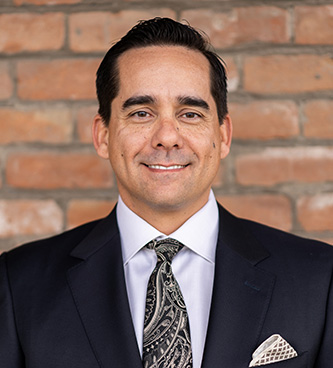
John Torgenson is a highly experienced personal injury lawyer with over 20 years of practice in Arizona. He earned his Bachelor’s degree from the University of Utah and his Juris Doctor from Notre Dame. John has a proven track record of securing substantial verdicts and settlements, including an $8.25 million recovery for a gunshot injury victim. His expertise has earned him AVVO ratings and recognition as a Super Lawyer.
John is also a sought-after lecturer on personal injury law, sharing his extensive knowledge with peers and aspiring attorneys. Beyond his legal practice, John is an avid golfer and actively supports organizations like the Military Assistance Mission, Arizona School for the Arts, Page Balloon Regatta, University of Arizona Foundation, Junior Achievement of Arizona, and the Tim Huff Pro Bono Golf Classic.
Passionate about advocating for injury victims, John dedicates his career to battling insurance companies and corporate interests, ensuring that the rights of those who are hurt are vigorously defended.