After a car accident, it’s easy to focus on immediate, practical concerns like exchanging insurance information, taking pictures of the scene, or getting your vehicle moved. In the middle of all that, seeking medical care may not feel urgent, especially if you don’t notice any obvious injuries.
But delaying care can put both your health and your car accident claim at risk. Many injuries don’t show symptoms right away, and waiting too long to get checked out can make it harder to connect your injuries to the crash.
You should seek care after a car accident as soon as possible, whether that means going to the emergency room, visiting an urgent care clinic, or seeing your primary care doctor, whichever option allows you to be evaluated the fastest.
Not all car accident injuries are immediately visible. In fact, some of the most serious conditions may not show symptoms until hours or even days after the crash. That’s why seeking prompt medical treatment after a car accident is so important: it helps identify hidden injuries and ensures they are properly documented as part of your car accident claim.
Common “invisible” injuries include:
Because these injuries aren’t always obvious, early care after a car accident is critical.
After a car accident, be thorough when describing how you feel, even if your symptoms seem minor.
Stiffness, dizziness, nausea, or headaches may not seem serious at first, but they can impact your car accident claim if left undocumented.
If you downplay or leave out symptoms, they may not appear in your records, which can make it harder for your car accident attorney to prove your injuries.
You should also keep monitoring your condition after your initial visit. Some injuries take time to appear or worsen in the days after a crash.
Ongoing medical treatment after a car accident and follow-up care help create a clear record linking your injuries to the accident.

Getting medical care is only part of the process. Documenting your treatment is just as important. Your medical records are key evidence showing the extent of your injuries and how they relate to the accident.
Make sure you stay consistent with treatment and records and follow your provider’s recommendations. Gaps in care or missed appointments can be used to question the seriousness of your injuries and may weaken your car accident claim.
It’s important to keep your legal team informed throughout your recovery. Keep your car accident lawyer updated on your treatments and any medical issues. Sharing records and changes in your condition helps your attorney build a stronger case and ensures nothing is overlooked.
Working with an experienced car accident lawyer in Phoenix or elsewhere in Arizona can help ensure your medical treatment is properly documented and your claim is fully supported from start to finish. At Torgenson Law, our car accident attorneys help clients stay on track by making sure treatment is properly documented, deadlines are met, and all damages are considered, including future medical expenses.
If you’ve been injured in a crash, contact Torgenson Law today to speak with a car accident lawyer in Arizona and protect your claim.
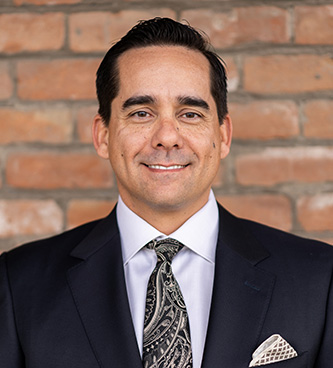
John Torgenson is a highly experienced personal injury lawyer with over 20 years of practice in Arizona. He earned his Bachelor’s degree from the University of Utah and his Juris Doctor from Notre Dame. John has a proven track record of securing substantial verdicts and settlements, including an $8.25 million recovery for a gunshot injury victim. His expertise has earned him AVVO ratings and recognition as a Super Lawyer.
John is also a sought-after lecturer on personal injury law, sharing his extensive knowledge with peers and aspiring attorneys. Beyond his legal practice, John is an avid golfer and actively supports organizations like the Military Assistance Mission, Arizona School for the Arts, Page Balloon Regatta, University of Arizona Foundation, Junior Achievement of Arizona, and the Tim Huff Pro Bono Golf Classic.
Passionate about advocating for injury victims, John dedicates his career to battling insurance companies and corporate interests, ensuring that the rights of those who are hurt are vigorously defended.