Losing someone you care about is never easy, especially when their death is caused by negligence or wrongdoing, often leaving a deep need to seek justice—even knowing it cannot fully make things right.
In these moments, the right legal team can make a meaningful difference, as success often depends on navigating the wrongful death settlement process and building a strong case if litigation becomes necessary.
The team at Torgenson Law has secured multiple $1 million wrongful death settlements by accurately valuing claims and building strong evidence to support wrongful death settlement negotiation, while helping families pursue a sense of justice.
Wrongful death cases can arise anytime a person loses their life due to the careless, negligent, or intentional actions of another person or entity.
A wrongful death claim can arise from a wide range of circumstances involving negligence, carelessness, or intentional harm, though certain situations occur more frequently—such as motor vehicle accidents, dog attacks, and workplace incidents.
Under A.R.S. § 12-612, wrongful death claims can be filed by the individual’s spouse, his or her children, his or her parents, or his or her personal representative. Any of those parties may file for their own losses or on behalf of the individual’s estate.
Arizona law does not explicitly list who cannot file. However, because A.R.S. § 12-612 provides an exclusive list of eligible parties, those not included generally do not have the right to bring a claim. This typically includes:
Unlike some states that limit the amount a jury can award, Arizona’s constitution prohibits statutory limits on compensatory damages. This means juries have broad discretion to award damages and survivors may recover the full value of their losses, including:
Arizona follows what is called the doctrine of comparative negligence, which allows an injured party to recover compensation even if they are partially at fault for the incident.
In these cases, a victim’s damages are reduced based on their share of fault. For example, if a driver is injured in a crash but is found 20% at fault for speeding, a $150,000 award would be reduced to $120,000.
While Arizona does allow punitive damages in certain cases, they are subject to important limitations.
One of those limitations comes from Linthicum v. Nationwide Life Insurance Co., which requires clear and convincing evidence that the defendant acted with an “evil mind,” meaning an intent to cause harm or a conscious disregard of a substantial risk
As a result, most wrongful death cases focus primarily on compensatory damages rather than punishment.
Filing a wrongful death claim typically begins by consulting with an experienced wrongful death attorney or searching for wrongful death attorneys near me, who can evaluate the case and guide the process.
From there, evidence is gathered to support the claim, followed by filing a formal complaint in court as part of the wrongful death settlement process.
The case then moves through pre-trial proceedings, where both sides exchange information and explore a possible resolution, and if a settlement is not reached, it may ultimately proceed to trial.
Navigating a wrongful death claim can feel overwhelming, but you don’t have to face it alone.
The team at Torgenson Law, led by a seasoned wrongful death lawyer in Arizona and a trusted wrongful death lawyer in Phoenix, is here to guide families through every stage of the process with compassion and unwavering dedication.
We bring extensive experience advocating for full and fair compensation, navigating insurance company tactics and holding negligent parties accountable to protect your family’s interests.
Contact us today to discuss your case and learn how we can help you seek the justice and compensation your family deserves.
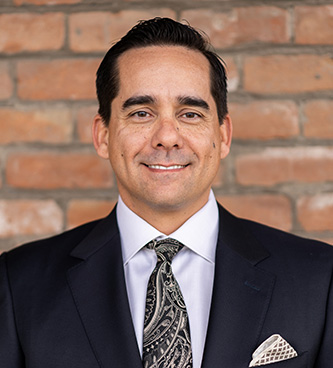
John Torgenson is a highly experienced personal injury lawyer with over 20 years of practice in Arizona. He earned his Bachelor’s degree from the University of Utah and his Juris Doctor from Notre Dame. John has a proven track record of securing substantial verdicts and settlements, including an $8.25 million recovery for a gunshot injury victim. His expertise has earned him AVVO ratings and recognition as a Super Lawyer.
John is also a sought-after lecturer on personal injury law, sharing his extensive knowledge with peers and aspiring attorneys. Beyond his legal practice, John is an avid golfer and actively supports organizations like the Military Assistance Mission, Arizona School for the Arts, Page Balloon Regatta, University of Arizona Foundation, Junior Achievement of Arizona, and the Tim Huff Pro Bono Golf Classic.
Passionate about advocating for injury victims, John dedicates his career to battling insurance companies and corporate interests, ensuring that the rights of those who are hurt are vigorously defended.