Slip-and-fall accidents can look simple from the outside. Someone falls, gets hurt, and assumes the property owner should be responsible. In reality, these cases often turn on details that are easy to miss in the first hours after the accident. The injured person usually needs to prove more than the fact that they fell. They may need to show that a dangerous condition existed, that the property owner or business knew or should have known about the hazard, and that the hazard caused real injuries.
That is why a slip and fall lawsuit can become challenging quickly for Arizona residents. These cases are not impossible, but they often come down to the evidence available. When the proof is clear, the claim is usually stronger.
A slip-and-fall case is a type of premises liability claim. In simple terms, premises liability cases in Arizona involve injuries caused by unsafe property conditions. These claims may involve businesses, apartment complexes, grocery stores, restaurants, hotels, parking lots, sidewalks, or private property.
Common hazards include wet floors, spilled products, loose mats, torn or bunched carpeting, uneven surfaces, poor lighting, clutter on the floor, broken stairs, and icy or uneven sidewalks.
If a property owner is liable for one of these hazards, the injured person may have the right to seek compensation through an insurance claim or a slip and fall injury lawsuit.
Compensation may include medical bills, lost income, pain and suffering, future treatment, and other losses tied to the injury.
The answer usually comes down to four key legal elements: duty of care, breach of duty, causation, and damages.
The property owner, business, or person in control of the property must have owed you a duty of care. For example, a store generally has a duty to take reasonable steps to keep customer areas safe.
A breach happens when the property owner fails to act reasonably. This may involve ignoring a spill, failing to repair a known hazard, leaving clutter in a walkway, or not warning visitors about a dangerous condition.
It is not enough to show that a hazard existed somewhere on the property. The evidence should show that the hazard caused the accident and the resulting injuries.
Finally, you must show that you suffered actual harm. Medical records, bills, lost wage documents, photos of injuries, and treatment notes can all help prove damages in a slip and fall accident claim.
Slip-and-fall cases are often hard to prove because the evidence can disappear quickly. A spill may be cleaned up. A torn mat may be replaced. Security footage may be overwritten. Witnesses may leave before anyone gets their names.
Additionally, the injured person often must show that the property owner created the unsafe condition, knew about it, or should have discovered and fixed it before the fall. The mere fact that someone fell does not automatically prove negligence.
Arizona law also allows fault to be disputed. An insurance company may argue that the injured person was not watching where they were going, ignored a warning sign, wore unsafe shoes, or caused the fall in some other way. If comparative fault applies, compensation may be reduced based on the percentage of responsibility assigned to the injured person.
Yes, you may be able to sue for a slip-and-fall accident if someone else’s negligence caused your injuries.
Many claims begin with an insurance claim, but a lawsuit may become necessary if the insurer denies responsibility, disputes the injuries, or refuses to offer a fair settlement. At the same time, most slip-and-fall cases do not go to trial. Many resolve through settlement after both sides review the evidence, medical records, liability arguments, and damages.
In any event, preparing the case carefully matters because settlement value often depends on how strong the case would look if it had to move forward.
A trustworthy Arizona slip and fall attorney can help evaluate whether the facts support a claim and what evidence may be needed to strengthen it.
A business can be sued for a slip-and-fall when its negligence contributed to the accident. For example, a grocery store may be liable if employees knew about a spill and failed to clean it up or warn customers. A restaurant may face liability if a walkway was unsafe because of poor maintenance, loose flooring, or clutter.
However, businesses are not automatically responsible for every fall that happens on their property. The key question is whether the business acted reasonably under the circumstances.
That is why evidence matters so much in a slip and fall case in Arizona. Photos, surveillance footage, inspection records, incident reports, employee statements, and witness accounts may help show whether the business had enough time and opportunity to fix the hazard.

Several issues can make a slip-and-fall case harder to win.
If there are no witnesses, the injured person’s account becomes especially important. Supporting evidence may still be needed to show what happened and why the property owner may be responsible.
Without photos, video, incident reports, or witness statements, the insurance company may dispute what caused the fall or argue that the hazard did not exist.
Outdoor falls can be more complicated because rain, ice, dust, uneven pavement, and sidewalk conditions may raise questions about what the property owner reasonably could have prevented.
A claim may become more difficult if there is a dispute about whether the injured person was legally on the property when the fall happened.
Insurers may argue that the injury was not serious or was caused by something else if treatment records do not clearly connect the injury to the fall.
An Arizona slip and fall lawyer can help by investigating and proving the accident before key evidence disappears. That may include requesting surveillance footage, identifying witnesses, reviewing incident reports, documenting the scene, and analyzing whether the property owner was aware of the hazard.
A lawyer can also handle communication with insurance companies. This matters because insurers often look for reasons to reduce or deny a claim. They may ask for recorded statements, challenge the severity of the injury, or argue that the injured person was partly responsible.
It’s also worth noting that Arizona has strict filing deadlines for personal injury cases. In many situations, an injured person has two years from the date of the fall to file a lawsuit, although exceptions may apply. Speaking with a lawyer early can help protect the claim before important deadlines or evidence become a problem.
If you are dealing with medical bills, missed work, and uncertainty after a fall, an Arizona personal injury lawyer can help you understand your options and protect your position from the beginning.
Slip-and-fall cases are not always easy, but that does not mean they are not worth pursuing. The right evidence can make a meaningful difference, especially when the hazard was preventable and the injury caused real harm.
At Torgenson Law, it’s personal.
We help injury victims throughout Arizona understand their rights after serious falls and other preventable accidents. Contact Torgenson Law today for a free consultation with an experienced personal injury attorney.
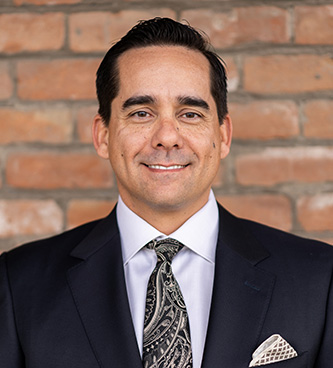
John Torgenson is a highly experienced personal injury lawyer with over 20 years of practice in Arizona. He earned his Bachelor’s degree from the University of Utah and his Juris Doctor from Notre Dame. John has a proven track record of securing substantial verdicts and settlements, including an $8.25 million recovery for a gunshot injury victim. His expertise has earned him AVVO ratings and recognition as a Super Lawyer.
John is also a sought-after lecturer on personal injury law, sharing his extensive knowledge with peers and aspiring attorneys. Beyond his legal practice, John is an avid golfer and actively supports organizations like the Military Assistance Mission, Arizona School for the Arts, Page Balloon Regatta, University of Arizona Foundation, Junior Achievement of Arizona, and the Tim Huff Pro Bono Golf Classic.
Passionate about advocating for injury victims, John dedicates his career to battling insurance companies and corporate interests, ensuring that the rights of those who are hurt are vigorously defended.