Truck brake failures rarely begin at the moment the brakes stop working.
In many cases, the conditions leading to the crash have been building for days, weeks, or even months through worn components, delayed repairs, overloaded trailers, or maintenance practices shaped more by scheduling pressure than safety margins.
When a fully loaded commercial truck loses braking power, the consequences are often severe. These truck brake failure accidents can involve high-speed collisions, jackknife crashes, multi-vehicle pileups, and severe or fatal injuries.
For injured victims, these cases often involve complex questions surrounding commercial vehicle liability, maintenance failures, and federal trucking regulations. Legal assessment by a Phoenix truck accident lawyer or truck accident attorney may help preserve critical evidence.
Commercial trucks carry enormous weight and require substantially longer stopping distances than passenger vehicles, even under normal conditions.
Braking systems are what allow that weight to remain controllable. When braking capacity is reduced, the truck’s ability to respond to traffic conditions changes immediately. At highway speeds, even modest increases in stopping distance can determine whether a collision is avoided or becomes unavoidable.
Brake failures also tend to occur in high-stress driving conditions where braking systems are already under strain. Long downhill grades, stop-and-go highway traffic, heavy cargo loads, and extreme heat can gradually push braking systems beyond safe operating limits.
Arizona highways can intensify some of these risks. Extended desert driving and steep grades place significant thermal stress on braking systems, particularly when trucks are overloaded or poorly maintained.
Many crashes described as “brake failure accidents” do not involve a total loss of braking. Sometimes the issue is degraded stopping power, delayed response, brake fade, or uneven braking pressure between axles. But partial failure at the commercial trucking scale can still produce catastrophic outcomes.
Truck brake failures are often linked to maintenance breakdowns rather than isolated mechanical surprises.
Commercial trucks operate under strict maintenance and safety requirements because braking systems experience continuous wear under heavy loads. When inspections are rushed, repairs delayed, or warning signs ignored, the risk of failure increases significantly.
Some of the most common causes include:
Brake fade occurs when prolonged or repeated braking generates excessive heat, reducing braking effectiveness.
This can happen during extended downhill driving or when drivers rely too heavily on braking instead of engine braking systems. Overheated brakes may lose stopping power gradually before failing more dramatically under emergency conditions.
Brake pads, drums, rotors, hoses, and air lines deteriorate over time. If replacement schedules are ignored or inspections are incomplete, stopping performance may decline long before the problem becomes obvious to other motorists nearby.
Most commercial trucks rely on air brake systems rather than hydraulic systems used in ordinary passenger vehicles. Air leaks, compressor failures, pressure imbalances, or contaminated lines can interfere with braking performance and vehicle control.
Some trucking companies operate under intense delivery and scheduling pressure. In those environments, maintenance delays can become normalized.
Skipped inspections, temporary repairs, incomplete servicing, or unresolved mechanical warnings may all contribute to brake-related crashes. In many cases, the issue is not one defective part, but an accumulation of neglected risks.

Truck accident liability often extends beyond the driver alone, particularly in commercial truck brake failure claims involving maintenance breakdowns or operational negligence.
While drivers are generally expected to inspect their vehicles and identify obvious safety concerns, multiple parties may contribute to the conditions that caused the brake failure.
Truck drivers are generally expected to inspect their vehicles before and during operation and identify obvious safety concerns. A driver may share responsibility if they failed to inspect the brakes, ignored warning signs, operated the vehicle despite known braking problems, exceeded safe driving speeds, or failed to adjust driving behavior to road or traffic conditions.
Carriers are responsible for maintaining safe vehicles and complying with federal safety regulations. A trucking company may face liability if it failed to properly inspect, repair, or remove unsafe vehicles from operation.
Pressure placed on drivers to continue operating despite known mechanical issues may also become relevant.
Some fleets outsource inspections and repairs to third-party maintenance companies. If a service provider performed incomplete repairs, overlooked defects, or improperly serviced the braking system, that company may share responsibility.
Defective brake components sometimes contribute to catastrophic failures. In those situations, product liability issues may become part of the case.
In some cases, roadway conditions may contribute to a brake failure accident or worsen its consequences. Poor signage, dangerous downhill grades, inadequate maintenance, or failure to address known roadway hazards may become relevant during the investigation.
Local or state government entities may face partial liability when unsafe road conditions played a role in the crash.
Commercial truck brake failure claims frequently involve technical investigation beyond what is typical in ordinary car accidents. Lawyers for accidents caused by truck brake failure may need to examine inspection histories, maintenance records, driver reports, and federal compliance records spread across multiple parties.
This evidence may exist across multiple companies rather than with a single driver alone.
Insurance companies also tend to defend commercial trucking claims aggressively, particularly when the injuries are severe. Disputes often center on whether the failure was sudden and unavoidable or the result of preventable maintenance neglect.
The Federal Motor Carrier Safety Administration (FMCSA) establishes inspection, repair, and maintenance standards for commercial motor vehicles operating in interstate commerce.
The period immediately after a commercial truck accident can affect both medical recovery and the strength of a future claim. Seeking prompt medical attention, preserving photographs and documentation, obtaining witness information, and avoiding early statements about fault or to insurers can all become important later if liability or injuries are disputed.
Speaking with a personal injury lawyer early can help preserve evidence before maintenance records, inspection data, or vehicle conditions change.
Many truck brake failure accidents trace back to preventable maintenance problems, operational pressure, or overlooked warning signs.
Understanding what caused the failure is often central to determining who may be legally responsible. That investigation may involve not only the driver, but also the trucking company, maintenance providers, cargo handlers, or manufacturers connected to the vehicle’s operation.
If you were injured in a commercial truck crash, a truck brake failure lawyer can help investigate what caused the failure and identify potentially liable parties. An Arizona truck accident lawyer may also help evaluate maintenance records, inspection failures, and federal compliance issues related to the crash.
Contact Torgenson Law to discuss your case, or learn more about how a personal injury attorney can help.
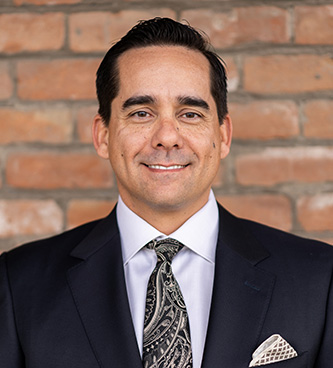
John Torgenson is a highly experienced personal injury lawyer with over 20 years of practice in Arizona. He earned his Bachelor’s degree from the University of Utah and his Juris Doctor from Notre Dame. John has a proven track record of securing substantial verdicts and settlements, including an $8.25 million recovery for a gunshot injury victim. His expertise has earned him AVVO ratings and recognition as a Super Lawyer.
John is also a sought-after lecturer on personal injury law, sharing his extensive knowledge with peers and aspiring attorneys. Beyond his legal practice, John is an avid golfer and actively supports organizations like the Military Assistance Mission, Arizona School for the Arts, Page Balloon Regatta, University of Arizona Foundation, Junior Achievement of Arizona, and the Tim Huff Pro Bono Golf Classic.
Passionate about advocating for injury victims, John dedicates his career to battling insurance companies and corporate interests, ensuring that the rights of those who are hurt are vigorously defended.