A multicar crash can turn a normal drive into a confusing and expensive problem within seconds. One impact may trigger several more, and the people involved may walk away with very different injuries and very different accounts of what happened.
That is part of what makes these cases so difficult. In a two-car accident, fault may seem more direct. In a multi-vehicle collision, the situation is often far less clear. One driver may have started the sequence, another may have failed to react in time, and another may be blamed for damage they did not actually cause. When several insurance companies get involved, the process can become even more complicated.
At Torgenson Law, we have seen how quickly these crashes can affect a person’s health, finances, and peace of mind. Whether you were seriously hurt in a pileup or are being accused of contributing to the chain reaction, a personal injury attorney can help you understand how fault is evaluated and how that may affect compensation.
A multi-vehicle crash is rarely just one collision. It is often a sequence of impacts, each with its own timing, force, and consequences. That makes it harder to determine who is legally responsible for what happened and which insurance policy should cover which losses.
In many of these cases, drivers give conflicting statements. One person may say traffic stopped suddenly, while another blames speeding or tailgating. Witnesses may see only part of the crash, and by the time police arrive, vehicles have often moved, leaving the physical evidence far from clear.
Injuries and property damage can also vary widely from one vehicle to another. Someone in the first car may suffer major neck or back injuries, while someone several cars behind may have limited visible damage. That uneven impact often leads insurers to question the seriousness of claims or shift blame from one party to another.
Many multicar accidents fall into a few familiar patterns.
Chain-reaction accidents are among the most common. One rear-end crash can push a vehicle into the car ahead, setting off several more impacts. These crashes often happen on highways, in stop-and-go traffic, or whenever drivers are following too closely to react safely.
Intersection pileups are another common scenario. One driver may run a red light, speed through a turn, or fail to yield, causing a collision involving several vehicles at once. In these cases, witness statements, traffic camera footage, and crash reconstruction may be especially important.
Side-impact chain reactions can also create complicated disputes. A vehicle struck from the side may be pushed into another lane or another car, creating secondary impacts that make it harder to sort out each driver’s role.
A multi-vehicle chain reaction accident can be especially difficult because later impacts may look worse on paper than the event that started everything. That is one reason these cases often require a careful review of timing, vehicle positions, and damage patterns.
In general, the driver or drivers who caused the crash may be financially responsible for the damage that follows. Liability insurance may be expected to cover medical expenses, vehicle damage, lost wages, and pain and suffering.
But in a multi-vehicle accident, that answer is not always simple. Sometimes more than one driver contributed to the crash. Arizona allows fault to be divided among multiple parties, which means payment may also be divided based on each person’s share of responsibility. That can reduce compensation in some cases, but it can also keep one person from unfairly bearing all the blame for a crash with multiple causes.

Other insurance coverage may also help. MedPay and similar coverage under your own policy can help pay immediate medical expenses regardless of who was at fault. Uninsured or underinsured motorist coverage may also become important if one driver does not have enough insurance to cover the damage or if multiple claims quickly exhaust the available policy limits.
This is one reason a multicar accident lawyer can be helpful early on. When several insurers are involved, each has its own financial interests, and those interests do not always align with what the evidence actually shows.
The answer to this question is not always simple. In many cases, responsibility is divided among multiple people based on how the crash happened, the order of impacts, and the evidence showing what each driver did before and after the collision.
Determining fault usually takes more than a quick reading of the police report. Insurance companies and attorneys may review crash scene photos, vehicle damage, witness statements, medical records, and, in some cases, accident reconstruction findings.
Crash sequence can matter as much as the outcome. A driver may seem to have caused a second impact after being hit first and pushed into another vehicle, or may still share fault despite serious injuries. That is one reason multicar accident claims are often more complex than two-car crashes, since each claim usually depends on the full chain of events and a careful review of the evidence from start to finish.
The first priority is always safety and medical care. Some injuries do not fully appear until hours or days later, especially after a multi-vehicle chain reaction accident.
It is also important to report the crash immediately and make sure an official report is created. If you are able, gather as much evidence as possible, including photos of all vehicles, road conditions, traffic signals, debris, and license plates. Get witness contact information if you can.
Be careful about early statements. If you were hurt, you do not want to minimize your injuries before you understand them. If you are being blamed for part of the crash, you also do not want to accept responsibility before the facts are clear. In both situations, a personal injury lawyer can help you protect your position before insurance companies lock in a version of events that does not reflect the full picture.
Keep records of everything, including medical treatment, missed work, prescriptions, rental car expenses, and symptoms that develop over time. Be cautious with quick settlement offers. Fast money can be tempting after a serious crash, but early offers are often lower than what the claim may truly be worth.
Multicar accident cases can become complicated very quickly. If you are dealing with serious injuries, conflicting accounts, or pressure from multiple insurance companies, a lawyer can make a real difference.
A multi-vehicle accident lawyer can help investigate the crash, identify available sources of coverage, and push back when blame is being assigned too quickly or too broadly. If you need a phoenix personal injury lawyer after a serious collision, contact our team to understand your options and move forward with clarity.
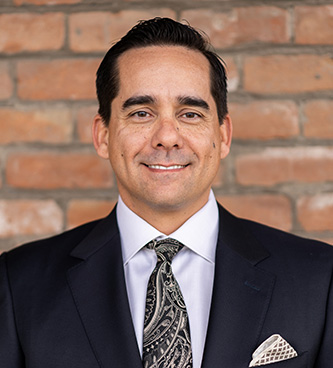
John Torgenson is a highly experienced personal injury lawyer with over 20 years of practice in Arizona. He earned his Bachelor’s degree from the University of Utah and his Juris Doctor from Notre Dame. John has a proven track record of securing substantial verdicts and settlements, including an $8.25 million recovery for a gunshot injury victim. His expertise has earned him AVVO ratings and recognition as a Super Lawyer.
John is also a sought-after lecturer on personal injury law, sharing his extensive knowledge with peers and aspiring attorneys. Beyond his legal practice, John is an avid golfer and actively supports organizations like the Military Assistance Mission, Arizona School for the Arts, Page Balloon Regatta, University of Arizona Foundation, Junior Achievement of Arizona, and the Tim Huff Pro Bono Golf Classic.
Passionate about advocating for injury victims, John dedicates his career to battling insurance companies and corporate interests, ensuring that the rights of those who are hurt are vigorously defended.