Español
Arizona Dram Shop Laws and How They Affect Personal Injury Cases
December 5, 2019 • by John Torgenson
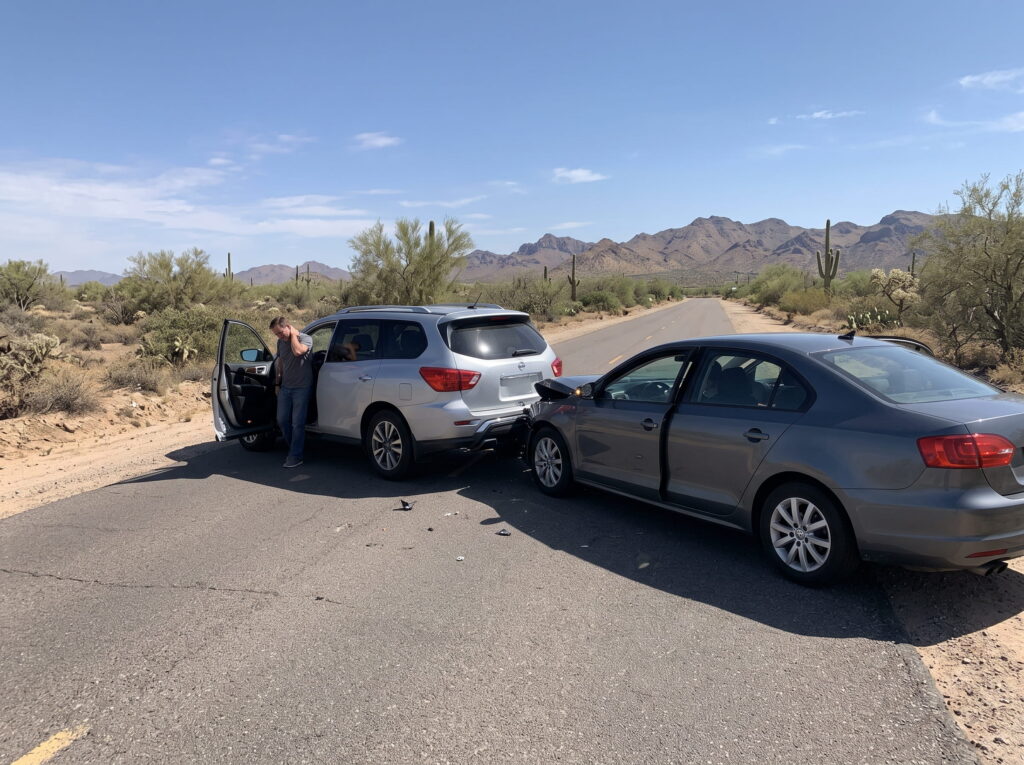
At Torgenson Law, our dram shop liability attorneys are all too familiar with the case of the underinsured motorist. An injury victim incurs catastrophic damages with tens or hundreds of thousands of dollars in medical bills all because of the negligence of another only to find out that the liable party carries Arizona’s minimum bodily injury insurance limits of $15,000.00. This can be particularly frustrating when a drunk driver causes a motor vehicle crash. Sure, the driver may have to pay a significant fine, have his or her license suspended, or spend some time in jail, but you are the one who is left with serious physical injuries and outstanding medical bills or liens. Fortunately, Arizona legislatures have carved out statutory protections that allow injury victims to recover from a licensed alcohol vendor involved in selling the alcohol to the drunk driver under certain circumstances. These are known as Dram Shop Laws.
What Is Dram Shop Liability In Arizona?
A “dram shop” is a bar, restaurant, or similar commercial business that serves alcoholic beverages. In the past, Arizona courts generally held that tavern or bar owners were not legally liable for injuries sustained due to the actions of an intoxicated patron. However, in 1983, the Arizona Supreme Court abolished this more tavern-friendly attitude and adopted common law dram shop liability. The purpose of Dram Shop Laws is to impose liability on licensed liquor vendors when their alcohol sales lead to personal injuries. Ultimately, the Arizona legislature enacted certain statutes to specify the circumstances in which a vendor will be liable. A.R.S. § 4-311 provides that a bar or other licensed alcohol vendor is liable for personal injuries and/or wrongful death if the following elements are met:(1-A): The vendor sold alcohol to someone who was “obviously intoxicated;” OR
(1-B): The vendor sold alcohol to someone under the legal drinking age (under 21) without asking for identification containing proof of age or with actual knowledge that the individual was under 21 years old; AND
(2): The alcohol consumption was the proximate cause of the injury or death.
Proving The Bar’s Liability Using Arizona’s Dram Shop Law
Of course, the injured party always bears the burden to prove their claims. For the “obviously intoxicated” adverse party, one would likely need to show where and how much the individual was drinking before the crash. Bank statements could help prove the individual purchased numerous beverages on the day in question. Also, witnesses would be necessary to show that the person was substantially and obviously impaired when he or she was purchasing alcohol from the vendor that you claim is liable for your injuries. Likewise, in the case of underage drinkers, the claimant would essentially need to prove that the bar or restaurant knew or should have known (through an ID check) that the individual was under 21 years old. Witness testimony and video surveillance are almost essential to prove this claim.Torgenson Law is an Experienced Car Accident Attorney
Each dram shop case is very fact-intensive and requires skilled investigative methods of experienced drunk driving accident attorneys. At Torgenson Law, our knowledge of the ins-and-outs of Arizona personal injury law allows us to effectively pursue all avenues of monetary recovery for your injuries. If you or a loved one is injured by a drunk driver, call us at (602) 726-0747.
John Torgenson
John Torgenson is a highly experienced personal injury lawyer with over 20 years of practice in Arizona. He earned his Bachelor’s degree from the University of Utah and his Juris Doctor from Notre Dame….
Learn More About John